How To Prepare Your Home Before The Removalists Arrive: A Lake Macquarie Moving-Day Prep Guide
The best way to prepare your home for removalists is to have everything packed, access cleared and any unusual or heavy items discussed before the truck arrives. A little preparation can save a surprising amount of loading time, especially where parking or driveway access is limited. Here is what a removalist Lake Macquarie families have used since 1985 needs to find when moving day starts.
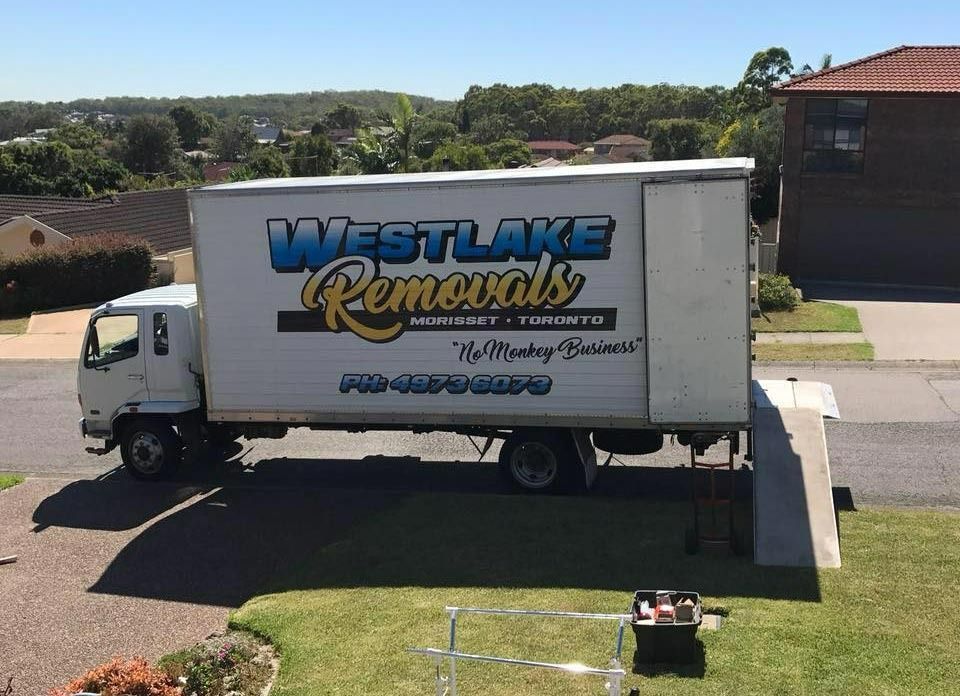
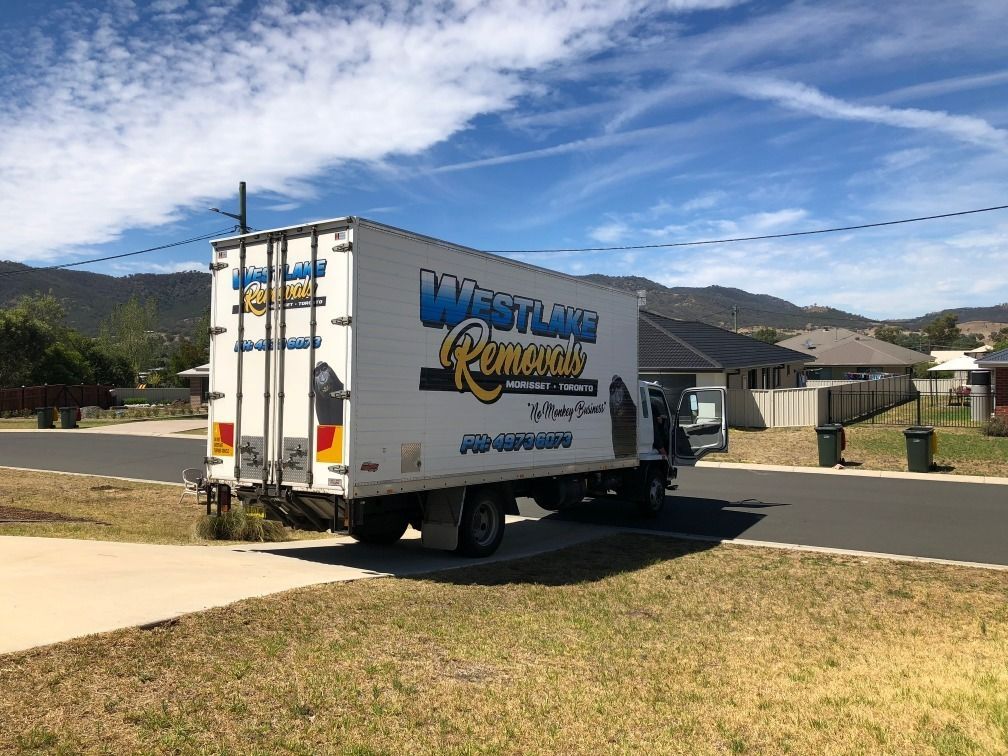
Westlake Removals is a third-generation, family-run business based in Morisset, with Garry and Chris bringing more than 45 years of combined local removals experience. Our crews know that a smooth move starts before anyone lifts the first box.
The Short Answer: What Removalists Need From You Before They Arrive
Before the removalists arrive, aim to have the house genuinely ready to load, not simply “mostly packed”.
Our quick moving day preparation checklist is:
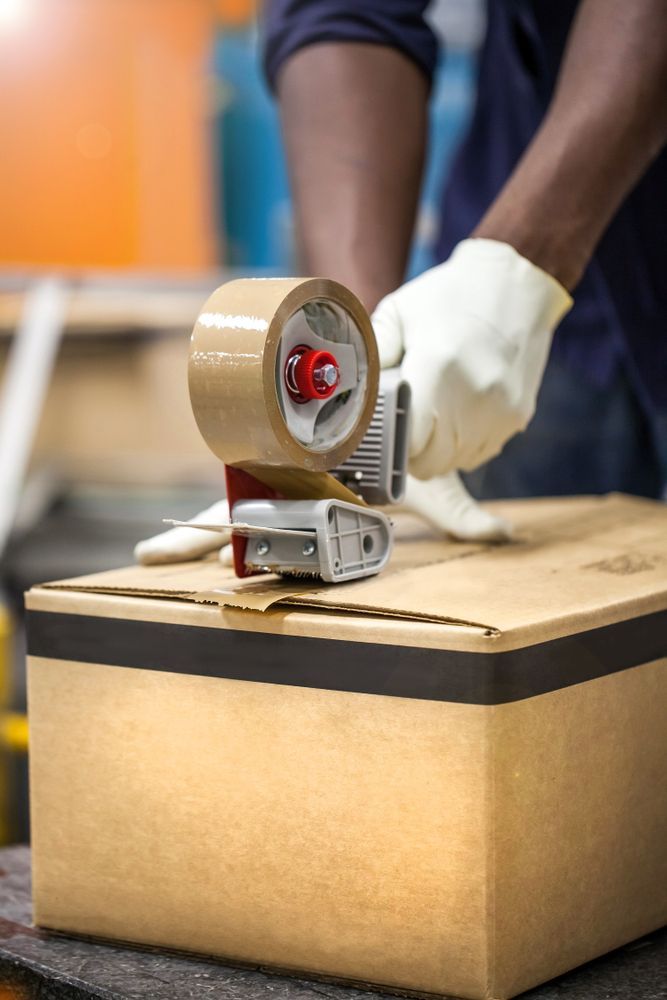
- Finish and seal boxes, then clearly label them.
- Clear hallways, stairs, garages and the route to the front door.
- Confirm where the truck can legally and practically park.
- Remove heavy, liquid and breakable items from drawers.
- Flag glass, mirrors, televisions, pianos, antiques and other items needing particular care.
- Complete any agreed furniture dismantling.
- Arrange access to lifts, loading docks, gates or strata-controlled areas.
- Keep pets and young children safely away from loading areas.
- Put keys, chargers, medication, documents, water and other essentials somewhere they will not be loaded.
- Keep your phone charged and switched on in case the crew needs to reach you.
A half-packed kitchen or garage creates more than inconvenience. The crew cannot efficiently load a truck while someone is still deciding what goes, sealing boxes or clearing furniture out of the way.
Doing your own packing can save money, but it can also make a move run longer if it is not finished. If you are working to a fixed settlement, lease handover or other tight deadline, paying for professional packing can be more economical than having packing delays add extra time to moving day. Westlake Removals offers full packing and unpacking for customers who need it.
What Should You Do the Week Before Moving Day?
Use the final week to remove anything that could stop the crew from loading as soon as they arrive.
Start with access. Look at your property from the truck driver's point of view: is the driveway steep, narrow or stepped? Is there enough room for the removal truck to approach and turn? Could parked cars block the best loading position?
Our crews run out of Morisset, so the removalists Morisset locals book are regularly working around the practical access constraints found throughout the Lake Macquarie area.
Next, finish the packing. If you are behind, work systematically through a room-by-room packing checklist rather than jumping between whatever boxes happen to be open. Label boxes by destination room so the crew knows where they belong at the other end.
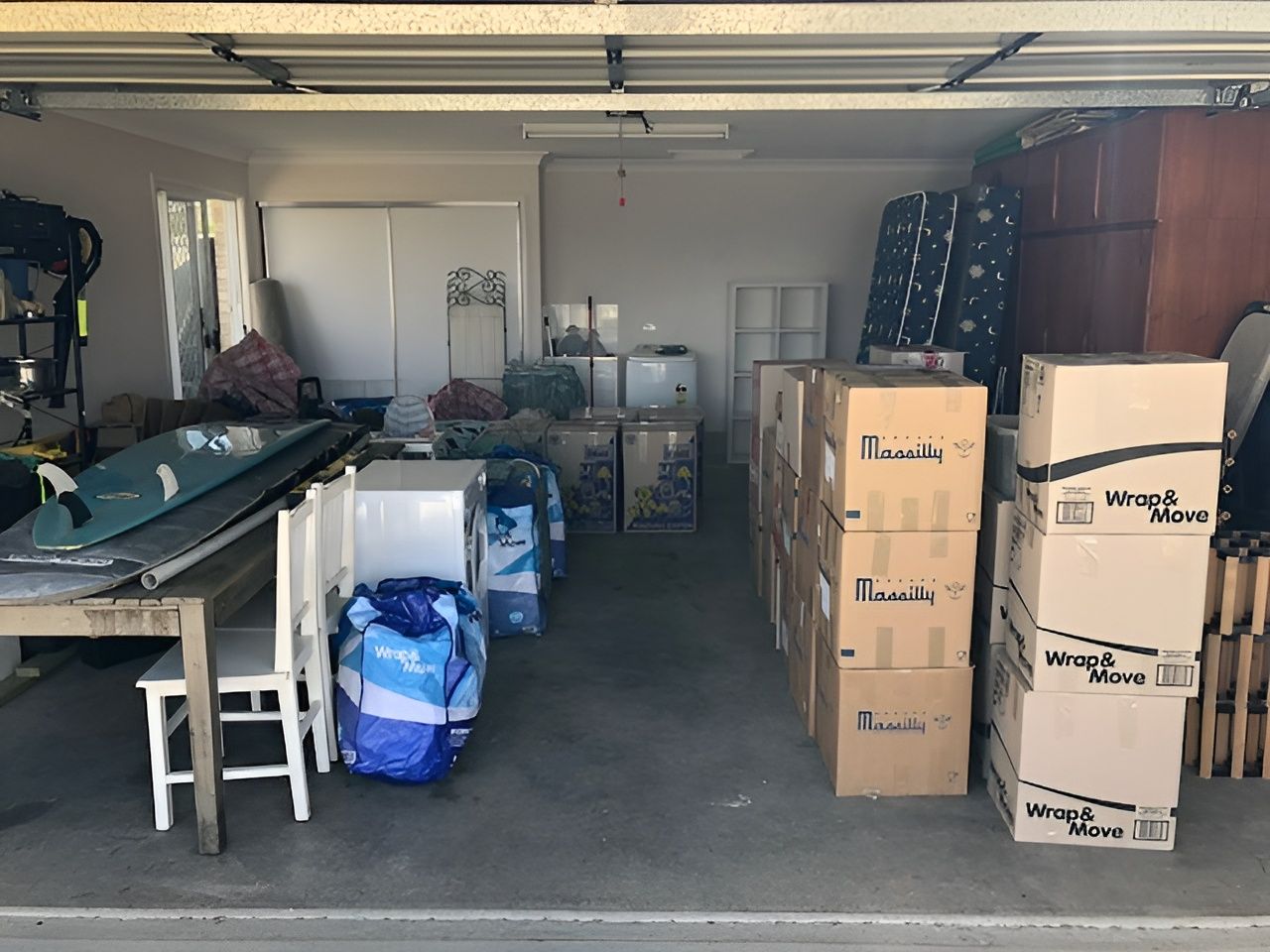
The garage deserves its own deadline. Tools, loose garden equipment and miscellaneous shelves can take much longer to sort than expected. Leaving the garage until moving morning is one of the common moving mistakes worth avoiding.
Use the week before the move to confirm utilities, keys and property access as well. If an agent, building manager or strata representative needs to provide access, or a lift or loading dock requires a booking, organise it during business hours rather than trying to solve it with a loaded truck waiting outside.
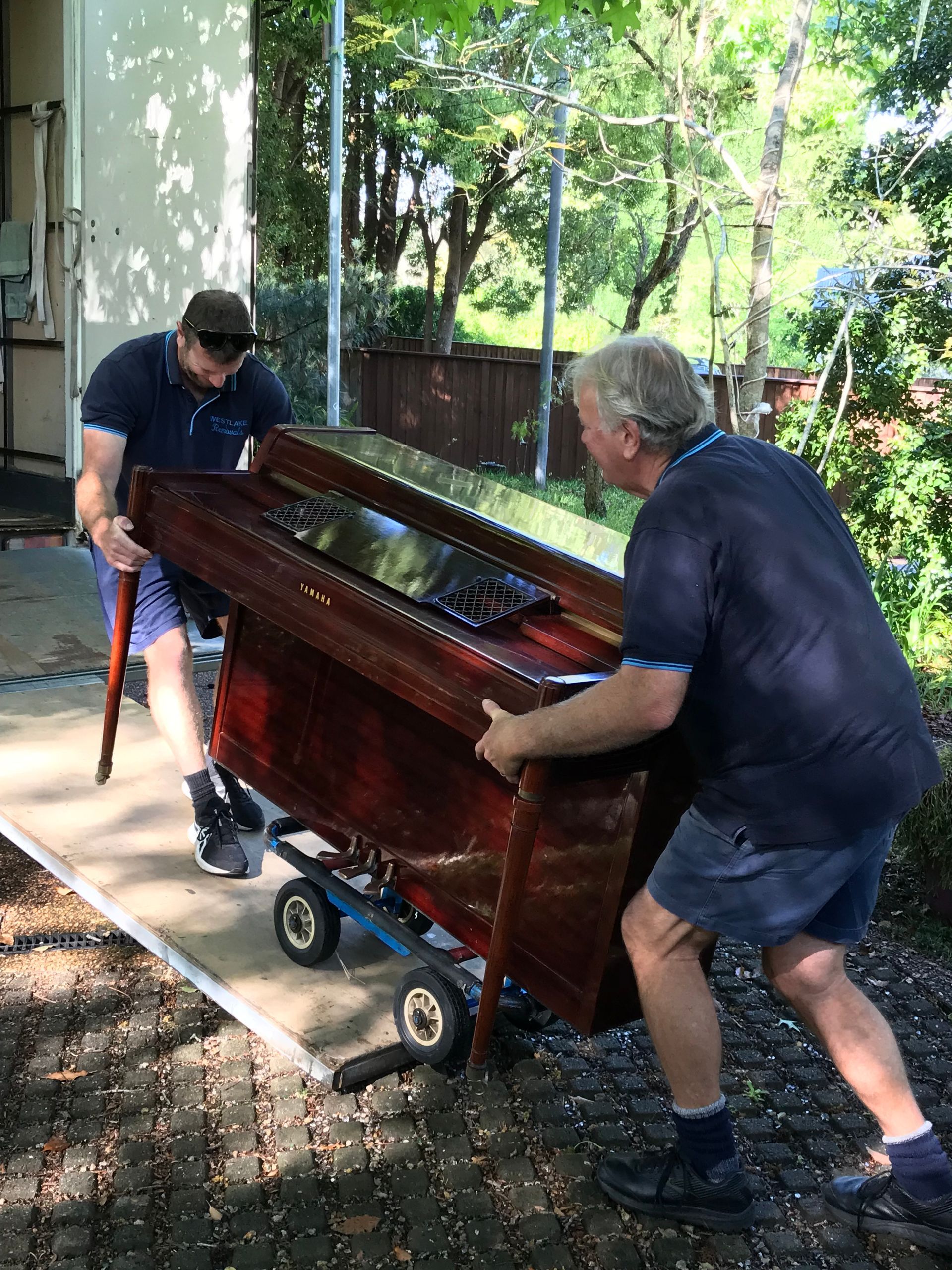
Finally, tell us about specialty items before moving day. Pianos and antiques need to be declared when you book, not pointed out for the first time when the truck arrives. These items can change the crew, equipment and handling requirements needed for the job.
Do You Need to Empty Drawers, Wardrobes and Cupboards?
You do not necessarily need to empty every lightweight item from every drawer, but heavy, breakable or spillable contents should come out before furniture is moved.
Soft, light items such as clothing or linen can often remain in suitable drawers, provided they do not make the furniture unnecessarily heavy. Books, tools, bottles, crockery, glassware and other dense or fragile contents should be packed separately.
Wardrobes and cupboards should generally be emptied. Loose belongings can move around during handling and transport, and the crew needs to move the furniture itself safely rather than a cabinet full of unknown contents.
Pay particular attention to removable glass shelves and fragile components. Tell the crew about glass panels, mirrors, television screens and similar items so blankets, wrap and other protection can be prepared.
For example, a bedside table containing a few T-shirts is very different from a tallboy with drawers full of books, perfume bottles and loose jewellery. The second item needs to be emptied before anyone attempts to carry it.
What Should You Dismantle Yourself (and What Should You Leave to the Crew)?
Dismantling furniture before the crew arrives can save loading time, but only tackle items you can safely disassemble and confidently put back together.
Beds are an obvious candidate. If you know how the frame comes apart, dismantling it the night before means the crew can begin moving the pieces immediately. Keep bolts, screws and fittings together in a labelled bag rather than leaving loose hardware on a bench.
Outdoor equipment such as trampolines also needs attention well before the truck arrives. These jobs can take longer than expected, so moving morning is not the time to discover rusted bolts or missing tools.
Flat-pack furniture requires a different judgement. Some units simply will not survive another dismantle-and-reassemble cycle. If a flat-pack bookcase or cabinet already feels loose, pulling it apart for the move may cause more problems than it solves.
For large, heavy, fragile or unfamiliar furniture, discuss the item with the crew instead of experimenting with it yourself. Westlake Removals handles furniture removals as well as specialty piano and antique transport, so items requiring particular handling should be identified beforehand.
The practical rule is simple: dismantle straightforward furniture you are comfortable handling the night before, but leave heavy, complicated or fragile pieces for discussion with the crew.
Truck Access, Parking and Clear Pathways: The Lake Macquarie Reality
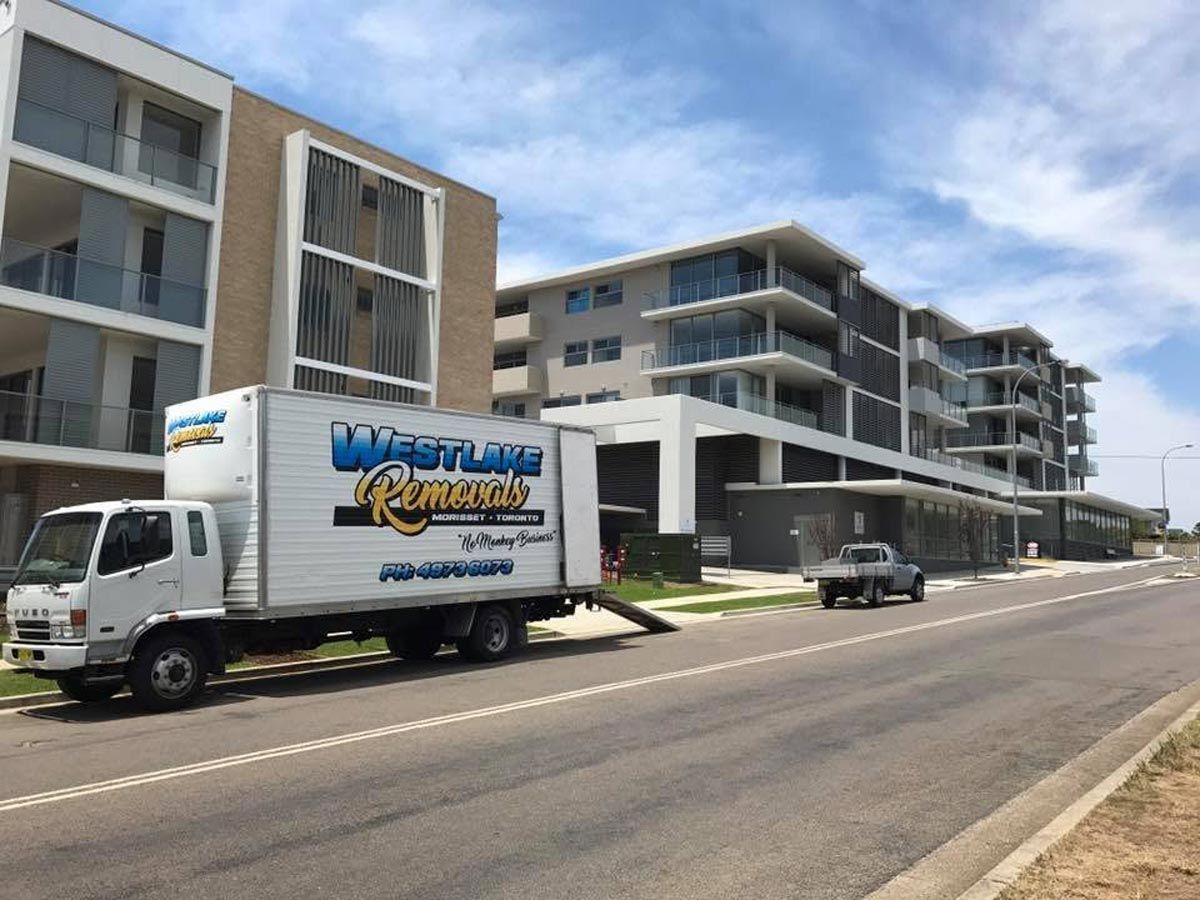
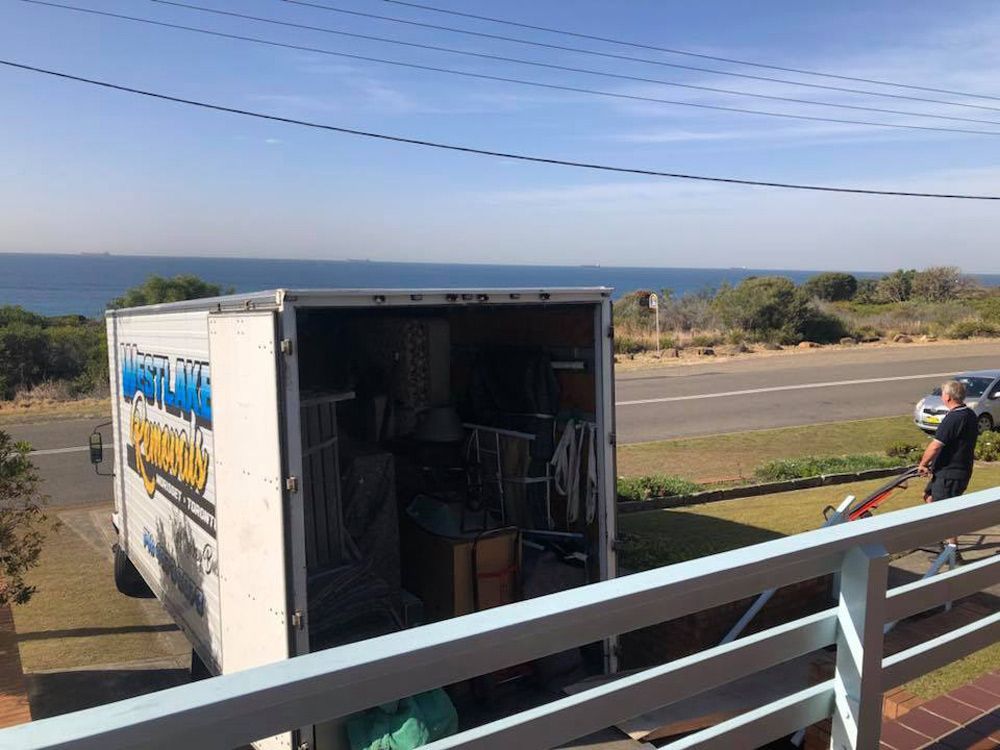
Access is one of the biggest variables on moving day. If the truck cannot park near the door, every sofa, box and appliance has to cover that extra distance by hand or trolley.
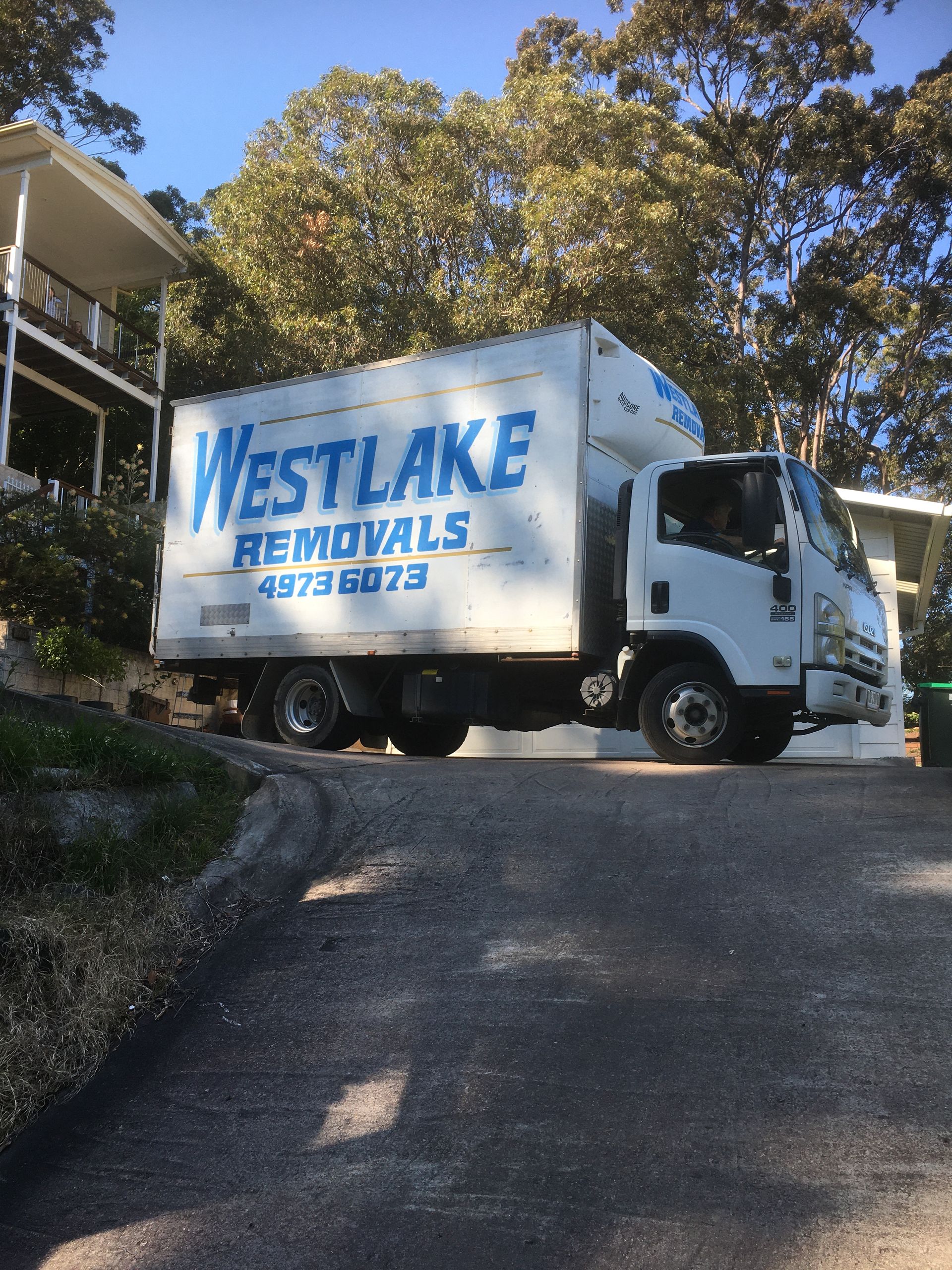
That matters around Lake Macquarie. Narrow lake-side streets, steep or stepped driveways and battleaxe blocks can make truck access difficult in places such as Toronto, Wangi Wangi, Bonnells Bay and Morisset Park. A driveway that is easy in a car is not necessarily practical for a removal truck.
Check the approach before moving day. Clear your own vehicles from the best loading position and, where lawful and possible, keep the kerbside area clear. If the property has a steep driveway, stairs, restricted turning space or a long walk from the street to the front door, tell the crew in advance so the appropriate vehicle and expected walking distance can be allowed for.
The same preparation applies inside the property. Clear the complete carrying route, including:
- Hallways and staircases
- The garage
- Entranceways
- Paths and verandahs
- The route between the front door and truck
Roll up loose rugs and prop doors where appropriate. Point out low-hanging plants, washing lines or other obstacles before carrying begins. Nobody should have to weave around boxes, toys, pot plants or cleaning equipment while carrying a wardrobe or sofa.
Weekend traffic can also change access around Lake Macquarie's lake-side and holiday areas. Do not rely entirely on how quiet the street looked when you checked it on a weekday; confirm your parking arrangements for the actual moving day.
Moving-Day Morning: Pets, Kids, Keys and Your Essentials Box
Moving morning should be about final checks, not finishing yesterday's packing.
If possible, arrange for pets and young children to be off-site or safely separated from the loading route. Open doors, people carrying bulky furniture and repeated trips between the house and truck make the loading area a poor place for pets or children to wander.
Keep one essentials box or bag completely separate from everything being loaded. Include:
- House and vehicle keys
- Phone chargers
- Medication
- Important documents
- Toiletries
- Water and snacks
- Basic cleaning supplies
- Clothes and bedding needed immediately after arrival
Keep your phone charged as well. If access changes or the crew has a question about the destination, being contactable makes the problem much easier to resolve.
Before loading begins, do a quick walk-through with the crew. Point out what is going, what is staying, anything fragile and any access issue that is not immediately obvious.
Removal costs depend on the requirements of the individual move. Volume, access, stairs, distance, packing requirements and specialty items can all affect the amount of work involved. That is why an accurate free quote based on your actual move is more useful than a generic hourly figure.
Westlake Removals has operated from Morisset since 1985, providing furniture removals, full packing and unpacking, door-to-door transport and specialty piano and antique transport. If your moving date is not booked yet,
call Garry and Chris for a
free quote and to check availability with a
removalist Lake Macquarie households can speak to directly.
Frequently Asked Questions
What should I do before the removalists arrive?
Finish packing and sealing boxes, clear the carrying route and make sure the crew knows where the truck can park. Flag heavy, fragile or specialty items in advance and keep keys, important documents and your essentials separate from everything being loaded.
Do I need to empty my drawers and wardrobes before moving?
Remove anything heavy, breakable, liquid or valuable from drawers and pack it separately. Lightweight clothing or linen can often stay in suitable drawers, but wardrobes and cupboards should generally be emptied so the furniture is easier and safer to handle.
Should I dismantle my own furniture, or will the removalists do it?
If you can safely dismantle straightforward furniture such as a familiar bed frame, doing it the night before can save time. Discuss large, complicated, heavy or fragile pieces with the crew beforehand rather than assuming they should be dismantled.
Where should the truck park on moving day?
The truck should use the closest safe and lawful loading position with a clear route to the property. Tell the crew beforehand about narrow streets, steep driveways, battleaxe access, stairs, limited turning space or anywhere the truck may need to park away from the door.
What happens if I haven't finished packing when the removalists arrive?
A half-packed home can significantly slow the loading process because packing and moving start competing for the same time and space. If your deadline is tight and you know you will not finish, arranging full packing assistance beforehand can be more economical than having an unfinished house extend moving day.